
Cosmo Eco Power and Cosmo Energy Solutions Sign Physical PPA Covering Tokyo Metro Comprehensive Learning and Training Center~Hourly Matching Enabled by Combining Onshore Wind and Agrivoltaic Power Sources~
March 31, 2026
Cosmo Energy Holdings Co., Ltd.
Cosmo Eco Power Co., Ltd.
Cosmo Energy Solutions Co., Ltd.
Tokyo Metro Co., Ltd.
Cosmo Eco Power Co., Ltd. (hereafter, “Cosmo Eco Power”) and Cosmo Energy Solutions Co., Ltd. (hereafter, “Cosmo Energy Solutions”), subsidiaries of Cosmo Energy Holdings Co., Ltd., have entered into an off-site physical Power Purchase Agreement (PPA; hereafter, “the PPA”)¹ with Tokyo Metro Co., Ltd. (hereafter, “Tokyo Metro”). The PPA covers the combined use of onshore wind and agrivoltaic power sources and marks the first such agreement by a subway operator.
Electricity supply under the PPA will begin in April 2026 and is expected to reduce CO₂ emissions at the Tokyo Metro Comprehensive Learning and Training Center by approximately 719 tons per year, equivalent to the facility's annual electricity consumption.
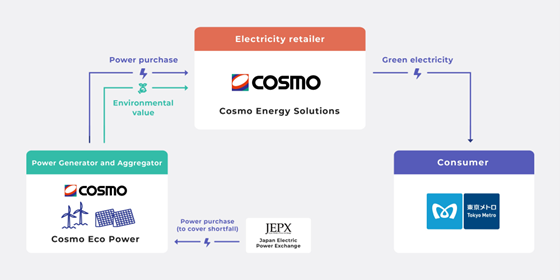
The PPA combines wind power generated at Cosmo Eco Power’s Aizu-Wakamatsu Wind Farm with agrivoltaic power generated by ENEGLOBAL Co., Ltd. and procured by Cosmo Eco Power as an aggregator². The electricity generated from these sources will be supplied to the Tokyo Metro Comprehensive Learning and Training Center via Cosmo Energy Solutions, as the electricity retailer. Under this framework, the two companies aim to improve the Center’s hourly matching score³ through the combined use of wind and solar-generated electricity. In addition, during hours that demand cannot be fully met by wind and solar power, electricity procured from the market will be supplied together with non-fossil value derived from renewable energy sources operated or contracted by Cosmo Eco Power.
◼︎ Structure of the PPA
As members of the Cosmo Energy Group, Cosmo Eco Power and Cosmo Energy Solutions are committed to expanding the development and supply of renewable energy, including wind power generation, as a means to achieve net zero carbon emissions by 2050. Looking ahead, the two companies remain committed to strengthening cooperation with consumers working to decarbonize their operations, thereby contributing to the wider adoption of renewable energy and the growth of local communities.
Under its long-term environmental goal, “Tokyo Metro Zero CO₂ Emissions Challenge 2050,” Tokyo Metro aims to reduce CO₂ emissions across all Tokyo Metro Group businesses by 53% by FY2030 compared with FY2013 levels, and to achieve net zero emissions by FY2050. To date, Tokyo Metro has introduced energy-efficient trains and environmentally friendly equipment. Going forward, the Company will continue to contribute to the realization of a decarbonized, recycling-oriented society through a range of initiatives, including the use of renewable energy, in order to achieve these targets.
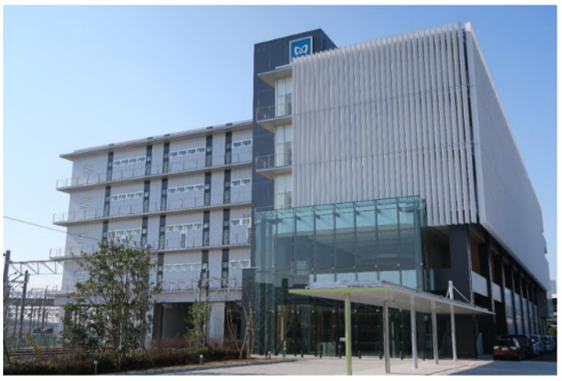
■Tokyo Metro Comprehensive Learning and Training Center
■Aizu-Wakamatsu Wind Farm (Onshore Wind Power)
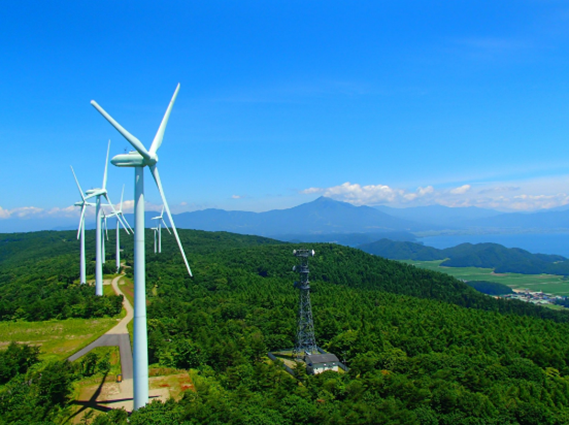
Overview of the Power Plant
Location | Aizuwakamatsu City, Fukushima Prefecture |
|---|---|
Facility capacity | 16,000 kW |
■ENEGLOBAL Naka City No. 9 Power Plant (Agrivoltaic Power)
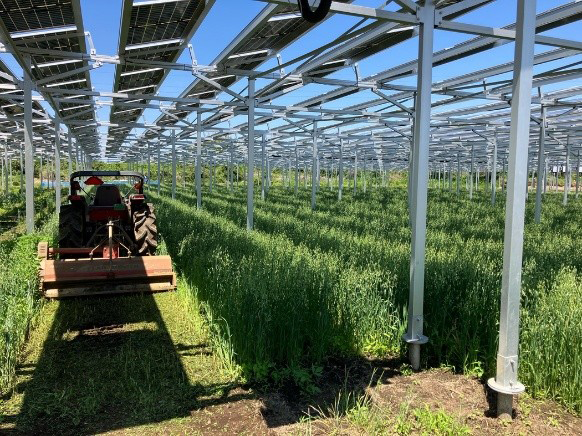
Overview of the Power Plant
Location | Naka City, Ibaraki Prefecture |
|---|---|
Facility capacity | DC 1,155 kW / AC 792 kW |
- Off-site physical PPA: A type of contract under which the consumer procures both physical electricity and its associated environmental value from a renewable energy plant located at a site other than its own
- Aggregator: A business entity that bundles and manages multiple distributed power sources and electricity demand, ensuring efficient and stable power supply and supply-demand balancing
- Hourly matching score: A metric indicating the proportion of hourly electricity consumption that is met by renewable energy generated, and expressed as a percentage (%). This score is also being considered in international discussions on the revision of the Greenhouse Gas Protocol, from the perspective of enhancing the effectiveness of decarbonization measures.
(End)
(The official language for Cosmo Energy Group's filings with the Tokyo Stock Exchange and Japanese authorities, and for communications with our shareholders, is Japanese. We have posted English versions of some of this information on this website. While these English versions have been prepared in good faith, Cosmo Energy Group does not accept responsibility for the accuracy of the translations, and reference should be made to the original Japanese language materials.)